Project Guide
Why concrete cracks and what to do before you pour
Understanding cracks helps you plan better concrete in the Antelope Valley.
Why concrete cracks and what to do before you pour
Understanding cracks helps you plan better concrete in the Antelope Valley.
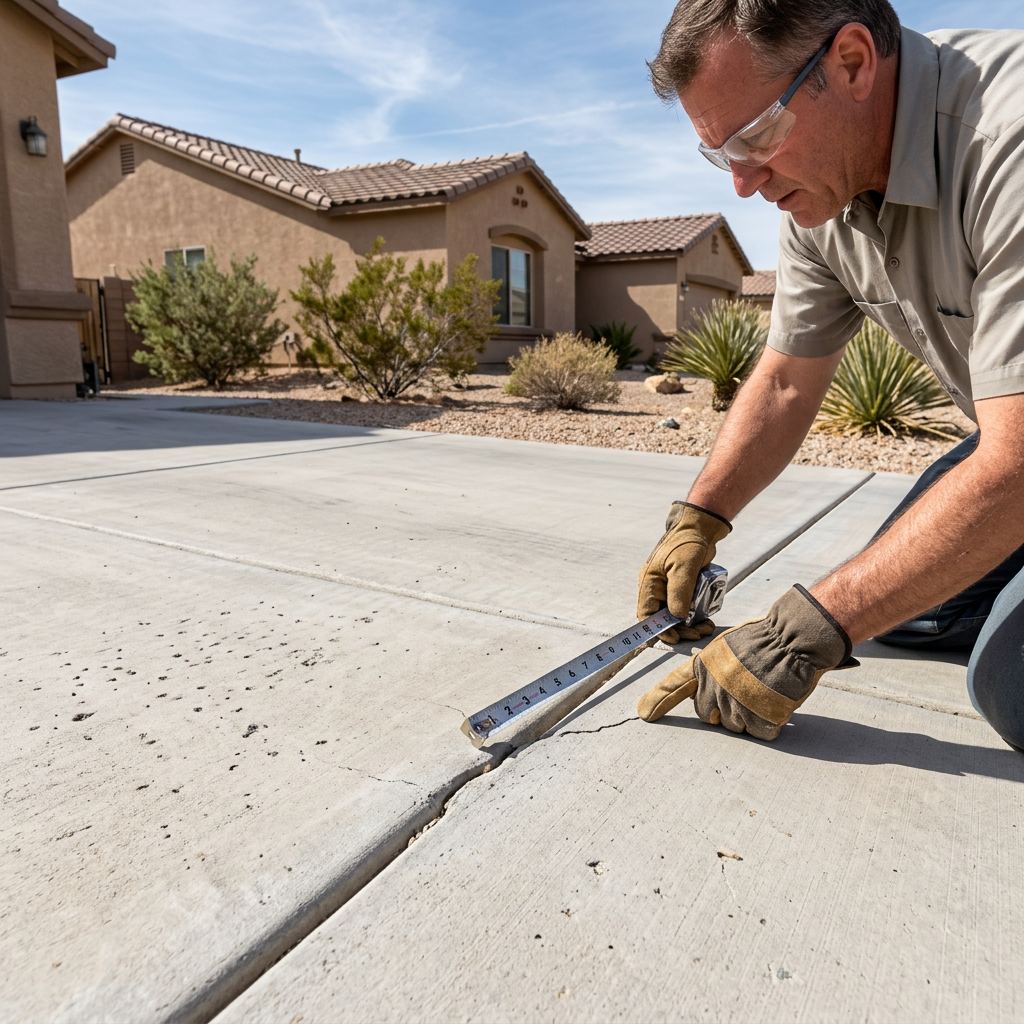
Almost all concrete cracks somewhere over time. The goal is not to eliminate every line, but to control where cracks land and keep slabs usable.
Subgrade and compaction
Loose or poorly compacted soil under a slab is a recipe for settlement cracks. Taking time to compact the base usually pays off later.
Joint layout
Control joints create weak lines where cracks are more likely to form. A good layout considers slab size, shape and where people will walk or park.
Drainage and slopes
Standing water on a slab can highlight even small cracks. Planning slopes and drains before forming helps water move away from the house and high-traffic areas.
On our concrete jobs we talk through these basics before the first form board goes in.
Ready when you are
Send the project details and get a cleaner next step.
No pressure. Just a practical conversation about the work, the property, and what should happen next.
Request a free estimate